A car is more than just a way to get from one place to another; for many drivers, it represents comfort, independence, and even personal identity. In this context, accessories and modifications play a significant role, as they can enhance both the driving experience and the vehicle’s appeal on the used car market. However, not all extras add value in the same way. While some improve resale potential, others can make a vehicle less attractive to buyers. Understanding this difference is essential when deciding where to invest.
Factory Options That Increase Resale Appeal
In the used car market, vehicles that retain their original specifications tend to inspire more confidence. Factory-installed extras, particularly those related to safety and convenience, are often seen as a smart investment. In busy urban environments, features such as parking sensors, 360-degree cameras, and integrated navigation systems provide clear practical benefits that appeal to a wide range of buyers.
Advanced driver assistance systems also carry significant weight. Features like automatic emergency braking, adaptive cruise control, and blind-spot monitoring not only improve safety but also influence purchasing decisions. Connectivity has become another key factor. Smartphone integration through Apple CarPlay or Android Auto is now considered almost essential, especially among younger buyers.
In addition, comfort-focused features such as heated seats, keyless entry, and powered tailgates help create a more premium feel. These extras enhance the driving experience without compromising the vehicle’s originality, which is something many buyers value.
Modifications That Can Reduce Market Value
Unlike factory options, many aftermarket modifications can raise concerns. Mechanical changes such as modified exhaust systems, engine tuning, or the removal of emissions components may impact performance and compliance with regulations. In countries where regular inspections are mandatory, these changes can create complications and additional costs for future owners.
Aesthetic modifications can also limit a car’s appeal. Oversized wheels, heavily lowered suspension, or highly customized interiors tend to reduce the pool of interested buyers. Most people prefer a neutral vehicle that they can adapt to their own tastes rather than inheriting someone else’s style choices. Additionally, low-quality accessories from unofficial sources can signal poor maintenance or lack of care.
As a result, heavily modified cars often take longer to sell and may achieve lower final prices.
Comfort and Technology as Value Drivers
Buyer expectations have evolved, and comfort and technology now play a central role in purchasing decisions. In the competitive used car market, features that improve daily usability can significantly increase perceived value. Elements such as electrically adjustable and heated mirrors, modern infotainment systems, and wireless charging contribute to a more convenient driving experience.
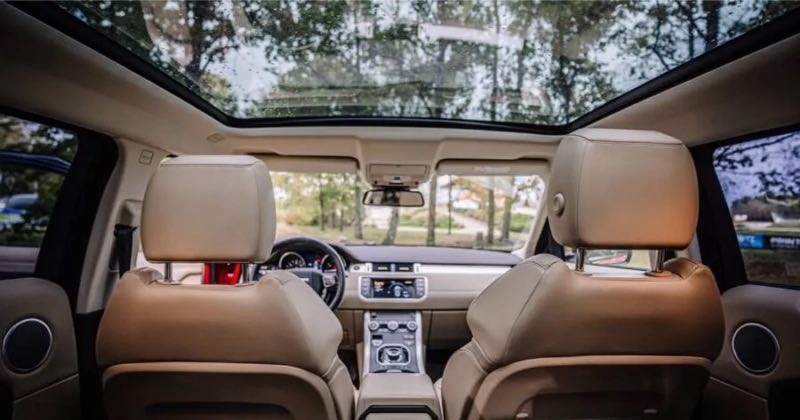
Even smaller details, like automatic climate control or a panoramic sunroof, can positively influence how a vehicle is perceived. These features enhance everyday comfort and make the car feel more complete.
Technology also affects long-term relevance. A vehicle equipped with up-to-date infotainment systems and seamless smartphone integration is more likely to remain attractive over time. On the other hand, outdated systems or poorly designed interfaces can quickly make a car feel old, negatively impacting its value.
Balancing Personalization and Practicality
Customizing a car can make it feel more personal, but when resale value is a consideration, balance becomes essential. Choosing accessories that meet universal needs—such as safety, efficiency, and comfort—is generally the safest approach. Manufacturer-approved options tend to preserve warranties and inspire greater confidence among buyers.
It is also important to consider long-term maintenance costs. Some advanced features, while appealing, can be expensive to repair or replace. Potential buyers often take these costs into account, which may influence their willingness to pay a higher price.
In many cases, practicality outweighs novelty. A well-equipped but balanced vehicle is usually more appealing than one overloaded with features that offer limited real-world benefits.
Smart Decisions for Long-Term Value
Accessories can either strengthen or weaken a car’s position in the market. Factory-approved features focused on safety, comfort, and connectivity generally enhance resale potential, especially when supported by a complete maintenance history and reasonable mileage.
Maintaining a neutral appearance, keeping the interior in good condition, and avoiding unnecessary modifications help broaden buyer interest and improve negotiation outcomes. In contrast, choices driven purely by personal preference may limit the car’s appeal.
Evaluating each accessory from the perspective of practicality, legal compliance, and market demand is key to protecting your investment. In a competitive automotive market, well-informed decisions about equipment can make the difference between a quick, profitable sale and a prolonged negotiation process.