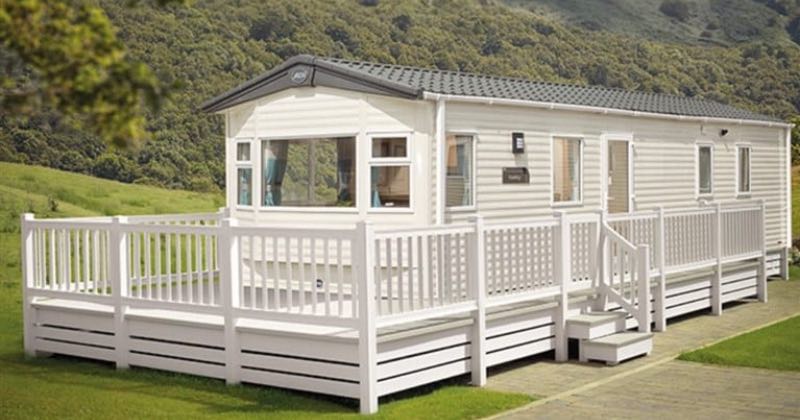
What Is the Mobile Home and Caravan Service?
The mobile home and static caravan industry has become a strong alternative for people looking for affordable, flexible, and fast housing solutions in the United States. This type of service focuses on the sale, purchase, transportation, and sometimes export of mobile homes, manufactured homes, and park model units, offering a complete solution beyond a traditional real estate transaction.
Unlike conventional housing, these homes are often more accessible financially and can be installed relatively quickly, making them an attractive option for a wide range of buyers—from individuals seeking independence to families looking for cost-effective living.
Types of Mobile Homes Available
The U.S. market offers several types of units depending on budget and intended use. Manufactured homes are among the most common, built in factories and transported to a designated site. These homes often meet federal housing standards and can serve as permanent residences.
Park model homes are smaller and typically used for seasonal or recreational purposes, although many people are now adapting them for long-term living. There are also pre-owned mobile homes, which are widely available and often refurbished before resale, allowing buyers to save significantly compared to new units.
These housing options are no longer limited to vacation use. Many Americans now use them as primary residences, backyard guest homes, or even home offices.
How the Buying Process Works
Buying a mobile home today is much more streamlined than traditional real estate. In many cases, the entire process can be handled remotely. Buyers can browse available inventory, compare models, and receive guidance from sellers before making a purchase decision.
Once the home is selected, the service provider often handles logistics such as transportation and delivery. Some companies also assist with permits, installation, and setup, which simplifies the process for first-time buyers.
This end-to-end approach is one of the main reasons the industry continues to expand across the country.
The Rise of Used Mobile Homes
The pre-owned market plays a major role in this industry. Many companies purchase used mobile homes directly from owners, refurbish them, and resell them at competitive prices. This creates a continuous cycle that benefits both sellers and buyers.
For buyers, this means access to lower-cost housing options without sacrificing basic comfort. For sellers, it provides a quick and hassle-free way to offload a property without dealing with private listings or negotiations.
This segment has also opened opportunities for small investors, who buy, renovate, and rent or resell units for profit.
Transportation and Delivery Services
One of the most critical components of this service is specialized transportation. Mobile homes require professional equipment and experienced crews to move safely, especially across long distances.
Most providers offer full transport services, including pickup, delivery, and placement at the final location. This is particularly important in a country like the United States, where buyers often purchase homes from out of state.
Proper transportation ensures that the home arrives in good condition and complies with local regulations during the move.
Nationwide and Cross-State Opportunities
The U.S. market is highly interconnected, allowing buyers to purchase mobile homes from different states and have them delivered directly to their property. This flexibility opens up more options in terms of pricing and availability.
In some cases, bulk purchasing is also common among businesses, especially those involved in workforce housing, construction projects, or temporary accommodation solutions.
This nationwide accessibility has played a key role in the expansion of the industry.
Who Uses These Services?
This type of service appeals to a wide audience. Individuals looking for affordable housing often turn to mobile homes as a practical alternative to renting or buying traditional property.
Homeowners use them as additional living spaces, such as guest houses or rental units. Businesses rely on them for employee housing, particularly in remote or temporary job sites.
They are also popular among people seeking a minimalist lifestyle or those who want to reduce their living expenses without compromising independence.
Advantages Over Traditional Housing
The biggest advantage is affordability. Mobile homes typically cost a fraction of traditional houses, making homeownership more accessible to a larger portion of the population.
Speed is another major benefit. While building or buying a traditional home can take months, a mobile home can be delivered and installed in a much shorter timeframe.
Flexibility also plays a key role. These homes can often be relocated if needed, offering a level of adaptability that standard housing cannot match.
What to Consider Before Buying
Despite the advantages, there are important factors to evaluate before purchasing. The first is land—buyers need to ensure they have a suitable and legally approved location to place the home.
Utility connections such as water, electricity, and sewage must also be considered, as they can add to the overall cost. Additionally, local zoning laws and regulations vary by state and can impact where and how mobile homes can be used.
For pre-owned units, inspecting the condition of the home is essential to avoid unexpected repairs or additional expenses.
A Flexible Housing Alternative
As housing costs continue to rise, mobile homes and similar solutions are becoming an increasingly viable option. These services provide not just a product, but a complete system that includes buying, selling, transport, and setup.
In a market that demands flexibility, speed, and affordability, this industry continues to establish itself as a practical alternative to traditional housing.