
Getting into the world of camper vans is exciting, but also confusing at the beginning. There are dozens of options, different formats, and a lot of opinions online that don’t always help you make a clear decision. What really makes the difference is going through the process yourself.
In this article, I’m not going to give you a generic checklist. Instead, I’m going to walk you through how the experience actually unfolds when you decide to buy a camper van, from the first idea to the moment you finally commit.
How the Idea Started
At some point, the idea of traveling differently starts to make sense. You want flexibility, independence, and the ability to move without relying on bookings, schedules, or fixed plans.
That’s where camper vans come in. They sit right in the middle between a normal car and a full motorhome, offering just enough comfort without becoming difficult to drive or maintain.
For me, the goal was clear from the beginning: something compact, easy to handle, and fully functional for short and medium trips.
Understanding What You Actually Need
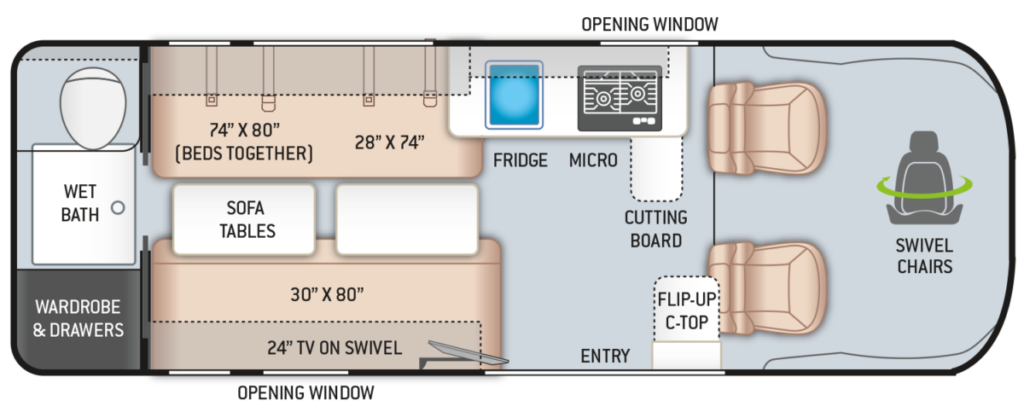
Before looking at specific models, the most important step is defining your needs. It sounds obvious, but this is where most people get it wrong.
Do you want something for weekend escapes or longer journeys? Will you be traveling alone, as a couple, or with more people? Do you need a bathroom, or can you live without one?
Answering these questions early helps filter out a huge number of options. In my case, I quickly ruled out large RVs and focused on Class B vans, which are typically between 17 and 23 feet long and offer a good balance between mobility and comfort.
Falling Into the Research Loop
Once you start researching, it’s easy to get stuck there. Videos, reviews, comparisons… you can spend hours jumping from one model to another.
That phase is useful, but only to a certain point. You begin to recognize patterns: similar layouts, repeated features, and small differences that matter depending on your priorities.
Some models immediately stand out, especially those built on platforms like the Mercedes Sprinter, Ford Transit, or RAM Promaster. Each has its own advantages, but they all serve the same core purpose.
Eventually, after enough time comparing options, you naturally start leaning toward one or two specific models.
Going to a Dealership Changes Everything
No matter how much research you do online, nothing replaces seeing a camper van in person.
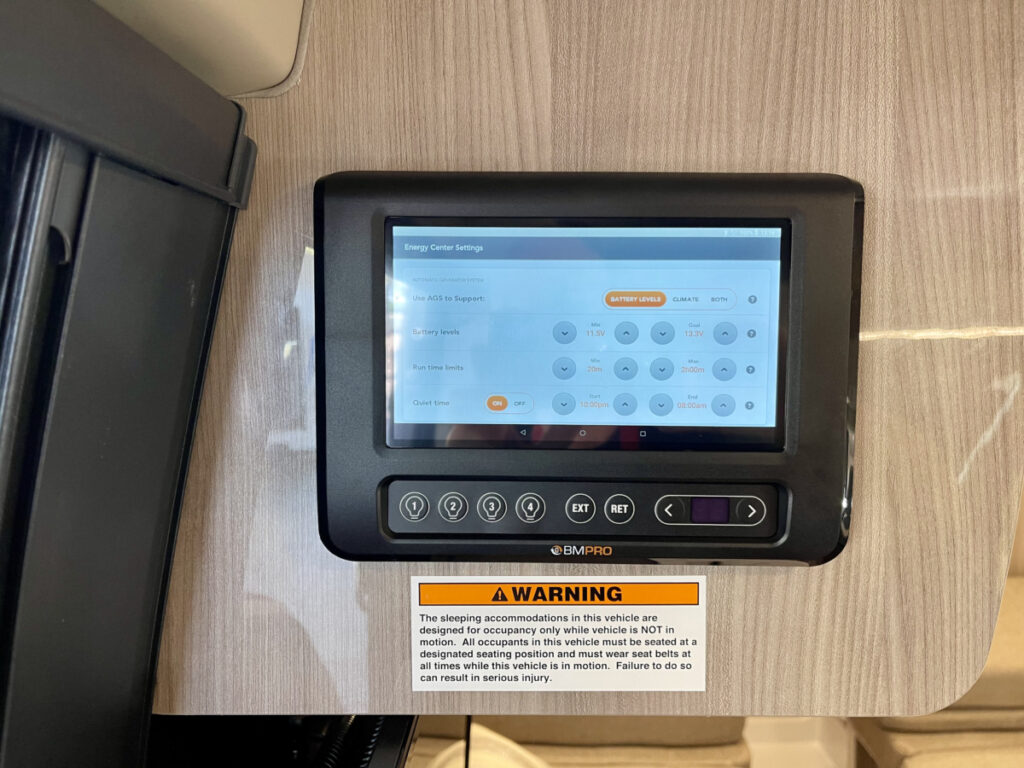
Walking into a dealership without knowing exactly what to expect can feel uncomfortable at first, but it’s where everything becomes real. You stop imagining the space and start experiencing it.
The layout, the materials, the height of the ceiling, the way the bed converts… all those details that seem minor online suddenly become decisive.
In my case, the moment I stepped inside the model I had been researching, I knew I was close to making a decision.
Comparing Before Deciding
Even if you feel convinced, it’s worth checking other options. Visiting different dealerships or looking at similar models helps confirm whether your choice is truly the right one.
Sometimes you find something better. Other times, you simply validate your original decision, which is just as important.
This stage is also where you start thinking more seriously about pricing, availability, and timing.
Financing and Budget Reality
This is the part many people underestimate. Knowing what you can afford changes how you look at everything else.
Getting pre-approved or at least having a clear budget range helps avoid wasting time on options that don’t make sense financially.
It also gives you more confidence when talking to sellers, since you already know your limits.
The Test Drive Is the Turning Point
Driving the camper van is what transforms it from an idea into something real.
You notice things you can’t see in photos: how it handles, how comfortable the driving position is, how easy it feels to maneuver.
If something feels off here, it’s a red flag. If everything feels natural, it’s usually a sign you’re on the right track.
For me, the test drive confirmed what I already suspected: this was the right choice.
What the Process Actually Teaches You
Looking back, the biggest lesson is that buying a camper van is not just about the vehicle itself.
It’s about understanding how you want to travel. The van is just a tool for that.
There is no perfect model that works for everyone. What matters is finding something that matches your lifestyle, not what looks best on paper or in videos.
Taking your time, seeing options in person, and being honest about your needs makes a much bigger difference than chasing the “best” van.

Is It Worth It?
For anyone considering it, the answer depends on what you expect.
If you’re looking for total freedom and a different way to travel, a camper van delivers exactly that. But it also requires a different mindset, one that values flexibility over comfort and experience over convenience.
The buying process might feel long or even frustrating at times, but it’s part of the journey. And once you’re on the road, it all starts to make sense.