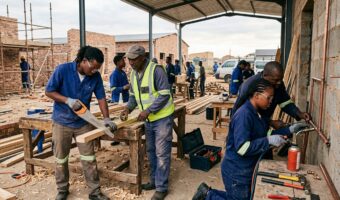
Working at height is one of the most common activities associated with serious workplace injuries across multiple industries. Whether employees are working on scaffolding, ladders, roofs, elevated platforms, telecommunications towers, construction projects, warehouses, or industrial facilities, the risk of falling remains one of the most significant occupational hazards.
For this reason, organizations across many sectors invest in working at heights training to help employees understand the risks involved, use fall protection equipment correctly, and follow safe work procedures while performing tasks above ground level.
Proper training not only improves workplace safety but also helps workers develop the confidence and practical skills needed to perform elevated tasks responsibly and efficiently. Working at heights training programs are widely used to educate employees about fall prevention, hazard identification, and safe work practices in elevated environments.
APPLY NOWWhat Is Working at Heights Training?
Working at heights training is designed to provide employees with the knowledge and practical awareness required to safely perform tasks where there is a risk of falling from an elevated position.
Although specific definitions vary by country and industry, working at height generally refers to any task performed above ground level where a fall could result in injury.
Training programs focus on identifying hazards, understanding fall protection systems, using personal protective equipment (PPE), conducting risk assessments, and responding appropriately during emergencies.
Why Working at Heights Training Is Important
Falls remain one of the leading causes of workplace injuries in many industries.
Even relatively low working heights can create serious risks if proper safety measures are not followed.
Training helps workers understand:
- How falls occur.
- How to identify hazardous situations.
- How to use fall protection equipment correctly.
- How to inspect equipment before use.
- How to respond during emergencies.
- How to comply with workplace safety requirements.
Organizations that prioritize height safety training often benefit from improved safety awareness and reduced workplace risks.
Industries That Commonly Require Working at Heights Training
Many professions involve tasks performed above ground level.
Construction
Construction workers frequently operate on scaffolding, roofs, ladders, platforms, and unfinished structures where fall protection is essential.
Industrial Maintenance
Maintenance personnel often work on elevated machinery, structures, storage systems, and access platforms.
Telecommunications
Technicians working on communication towers and elevated installations regularly perform tasks at significant heights.
Warehousing and Logistics
Large distribution centers may require employees to access elevated storage locations and work on platforms or specialized equipment.
Energy and Utilities
Workers involved in wind energy, electrical infrastructure, utility maintenance, and related sectors often perform duties in elevated environments. Training for these industries frequently includes fall protection and emergency rescue procedures.
Common Risks Associated with Working at Heights
Understanding workplace hazards is one of the most important objectives of training programs.
Falls from Elevated Surfaces
The most obvious risk involves falls from roofs, platforms, scaffolding, ladders, or other elevated structures.
Equipment Failure
Damaged or improperly maintained safety equipment can increase the likelihood of accidents.
Weather Conditions
Rain, strong winds, ice, and poor visibility can create additional hazards when working outdoors.
Falling Objects
Tools, equipment, and materials may fall from elevated work areas and pose risks to workers below.
Improper Access Systems
Unsafe ladders, damaged platforms, and unstable access points can contribute to accidents.
Recognizing these risks allows workers to take preventive measures before beginning any task.
Topics Commonly Covered During Training
Although course content varies depending on industry requirements, most working at heights programs cover several key subjects.
Hazard Identification
Participants learn how to identify potential fall hazards and unsafe working conditions before work begins.
Risk Assessment
Training often includes methods for evaluating workplace risks and implementing appropriate control measures.
Fall Protection Systems
Employees learn about different types of fall protection equipment and when each system should be used.
Common systems include:
- Fall arrest systems.
- Fall restraint systems.
- Work positioning systems.
- Safety nets.
- Guardrails.
- Anchor points.
- Lifeline systems.
Understanding the purpose of each system helps workers select appropriate protection for specific tasks.
Personal Protective Equipment (PPE)
Personal protective equipment plays a critical role in many work-at-height activities.
Training frequently covers:
Safety Harnesses
Harnesses are commonly used to protect workers from falls and help distribute forces safely in the event of an incident.
Lanyards and Connectors
Participants learn how to select, inspect, and use connecting devices correctly.
Helmets
Head protection remains essential when working in elevated environments where falling objects may be present.
Anchorage Systems
Training explains how anchor points function and how they contribute to effective fall protection systems.
Correct equipment selection and regular inspection are important components of workplace safety.
Equipment Inspection Procedures
Before beginning any task at height, workers are often required to inspect their equipment.
Training may include:
- Visual inspection techniques.
- Identifying wear and damage.
- Recognizing equipment defects.
- Inspection documentation procedures.
- Equipment maintenance awareness.
Regular inspections help reduce the risk of equipment-related failures.
Safe Access and Movement Techniques
Many accidents occur while workers are moving to and from elevated work areas.
Training programs often address:
Ladder Safety
Employees learn how to select, position, and use ladders correctly.
Scaffolding Awareness
Workers may receive instruction on scaffold safety principles and inspection requirements.
Platform Access
Training can include procedures for safely accessing elevated work platforms and work areas.
Movement While Connected
Participants learn techniques for maintaining continuous fall protection while moving between anchor points.
Emergency Rescue and Response Procedures
A comprehensive working at heights program often includes emergency planning and rescue awareness.
Rescue Planning
Workers learn the importance of having rescue procedures established before beginning elevated work.
Emergency Communication
Training may cover reporting procedures and emergency coordination requirements.
Suspension Trauma Awareness
Some programs introduce participants to the risks associated with prolonged suspension following a fall.
Evacuation Procedures
Employees learn how emergency situations should be managed in elevated work environments. Rescue planning is increasingly recognized as a critical component of working-at-height safety programs.
Benefits of Working at Heights Training
Organizations that implement effective training programs often experience several advantages.
Improved Safety Awareness
Workers become more capable of identifying and managing risks.
Reduced Accident Rates
Proper training can contribute to fewer fall-related incidents.
Better Equipment Usage
Employees gain a stronger understanding of how to use safety systems correctly.
Increased Confidence
Training helps workers perform tasks more effectively while maintaining safe working practices.
Stronger Safety Culture
Organizations benefit when safety becomes an integral part of daily operations.
Choosing a Working at Heights Training Program
When evaluating training options, employers and workers may wish to consider:
- Industry relevance.
- Practical learning opportunities.
- Instructor qualifications.
- Safety standards covered.
- Fall protection systems included.
- Emergency response content.
- Refresher training requirements.
- Certification validity periods.
Different industries may require different levels of specialization depending on the work being performed.
Building a Safer Working Environment
Working at heights presents unique challenges that require careful planning, proper equipment, and ongoing safety awareness. Through appropriate training, employees can develop the knowledge needed to identify hazards, use fall protection systems correctly, and respond effectively during emergencies.
By combining risk assessment, equipment inspection, emergency planning, and safe work practices, organizations can create safer workplaces and better protect employees who perform tasks in elevated environments. Working at heights training remains one of the most valuable investments for industries where fall hazards are part of everyday operations.